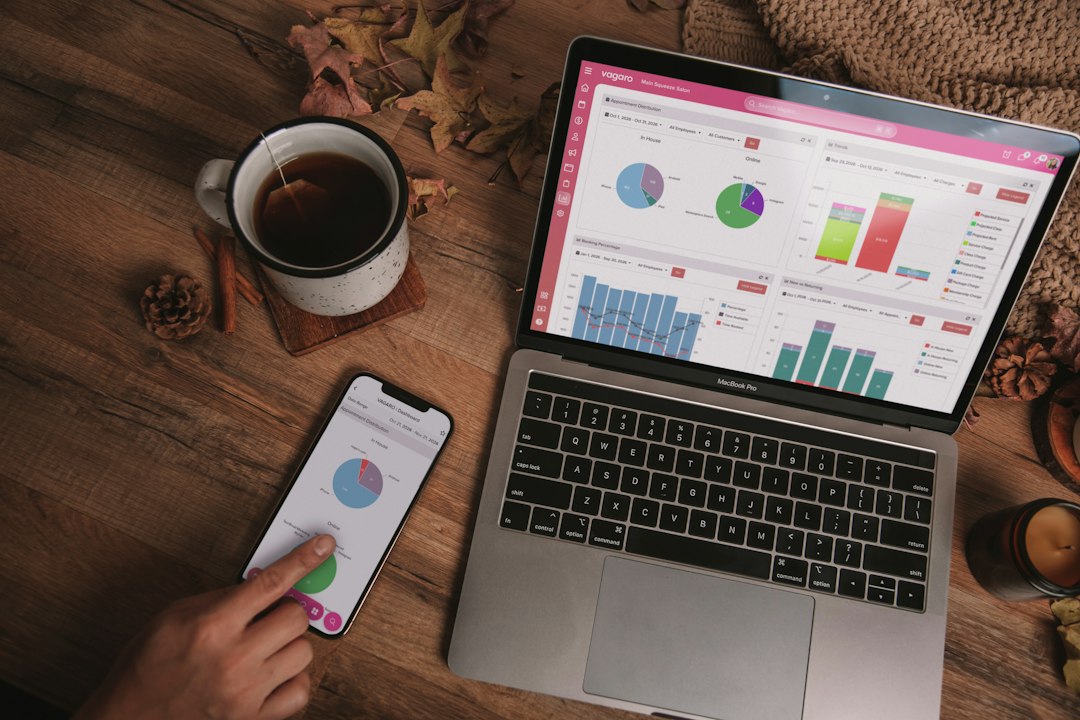
The best accounting software for a UK small business depends on the way the business actually works. A sole trader may care most about simplicity and tax, while a growing limited company may need several users, stronger reporting, payroll or inventory.
Product information in this guide was checked against official UK provider pages in September 2026. Prices and promotions can change, so confirm the current plan before subscribing.
Quick picks
- Best all-rounder for collaboration: Xero
- Best for broad automation and upgrade options: QuickBooks
- Best when payroll and accounting need to sit together: Sage
- Best for freelancers and very small UK businesses: FreeAgent
- Best free option for a micro business: Zoho Books
1. Xero — best for collaboration and integrations
Xero is a strong fit for businesses that want cloud accounting, several people working in the books and a large ecosystem of integrations. Its UK plans cover invoicing, bank reconciliation, VAT, reporting and higher-level features such as multi-currency, projects and performance analytics on more advanced tiers.
One of Xero’s biggest practical advantages is user access. That can make it attractive where directors, staff and an external accountant all need to work in the same system.
2. QuickBooks — best for automation and a clear upgrade path
QuickBooks Online covers the core accounting workflow and offers multiple plan levels from small one-person businesses through to larger teams. It includes invoicing, bank feeds, VAT, reporting and increasingly sophisticated automation through Intuit’s wider product ecosystem.
It is particularly worth considering if your accountant already works in QuickBooks or you want to start on a basic plan and move to a more advanced tier later.
3. Sage — best for accounting plus payroll
Sage remains a major UK option. Its small-business accounting range combines invoicing, bank reconciliation, VAT and reporting, while the higher plans add features such as cash-flow forecasting, CIS, inventory, multi-currency and broader user access. Sage also integrates payroll closely with its accounting proposition.
For employers, compare the full accounting-and-payroll cost rather than only the headline accounting subscription.
4. FreeAgent — best for freelancers and owner-managed businesses
FreeAgent is designed around UK small-business workflows. It combines invoicing, expenses, banking, tax, projects and time tracking in a relatively straightforward interface. It is especially attractive for contractors, consultants and owner-managed companies.
Some eligible customers of NatWest, Royal Bank of Scotland, Ulster Bank and qualifying Mettle business accounts can receive FreeAgent without a separate subscription, subject to the provider’s terms.
5. Zoho Books — best free starting point
Zoho Books has a genuine free plan aimed at solopreneurs and micro businesses, with invoicing, expenses, bank and credit-card accounts, VAT returns, MTD VAT filing and reporting. Paid plans add more users, bank feeds, inventory, multi-currency, approvals and deeper automation.
How we would choose
Shortlist two or three products, then test the same workflow in each: create an invoice, import a bank transaction, reconcile it, upload a receipt, review VAT coding and run a profit-and-loss report. If you employ people, add payroll to the test as well.
How we compared the options
We focused on the areas that matter most to a UK small business: VAT and Making Tax Digital support, bank reconciliation, invoicing, accountant access, payroll options, reporting, integrations, scalability and the total cost after introductory offers. Product information should always be checked against the provider before subscribing because plans and promotions can change.
Quick comparison
| Software | Best for | Key strength |
|---|---|---|
| Xero | Growing small businesses and collaboration | Strong cloud ecosystem, reporting and accountant access |
| QuickBooks | Automation and businesses that want a clear plan ladder | Wide range of plans and operational controls |
| Sage | Businesses that value accounting and payroll together | UK-focused accounting, payroll and advanced operational features |
| FreeAgent | Freelancers and small owner-managed businesses | Simple UK tax, invoicing and project workflows |
| Zoho Books | Micro businesses and cost-conscious users | Strong free and lower-cost entry options |
What to test before you commit
- Connect your actual business bank account and reconcile several transactions.
- Create and send an invoice, then test reminders and payment tracking.
- Check the VAT workflow if you are VAT registered.
- Invite your accountant or bookkeeper and confirm they can access what they need.
- Run the reports you genuinely use, not just the reports shown in the sales demo.
- Calculate the normal monthly cost after any temporary discount ends.
Final recommendation
There is no universal winner. Xero is excellent for collaboration, QuickBooks for automation and plan choice, Sage for an accounting-and-payroll ecosystem, FreeAgent for UK-focused owner-managed businesses and Zoho Books for a low-cost or free starting point.
Official information: Xero, QuickBooks, Sage, FreeAgent and Zoho Books.