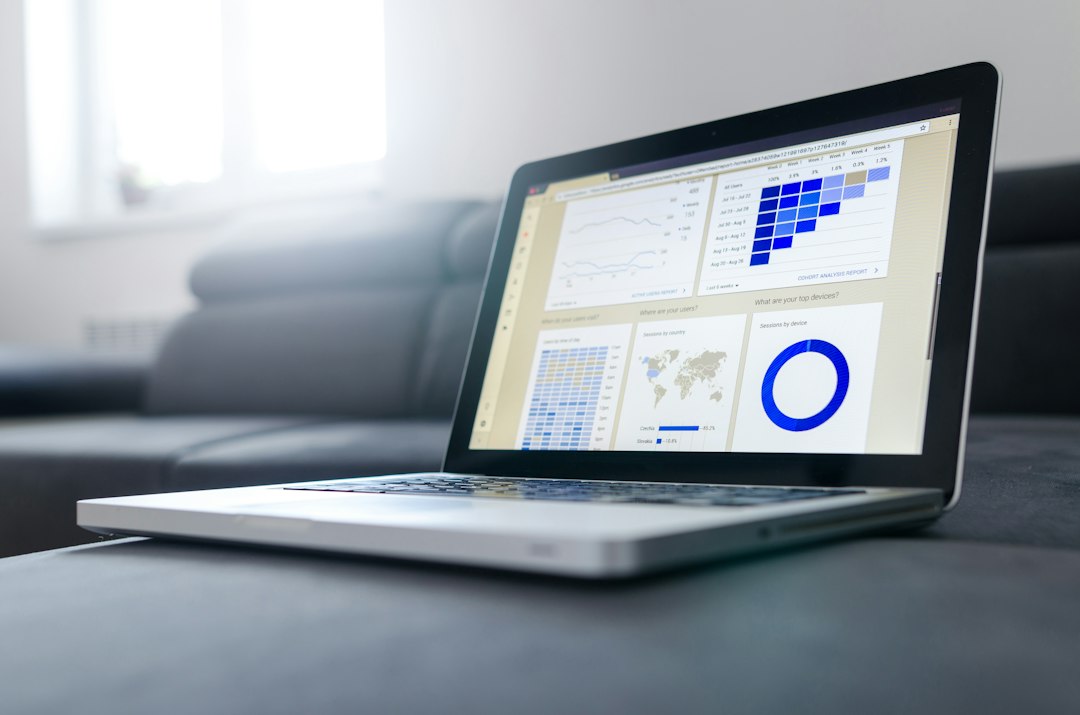
Spreadsheets can work surprisingly well for a very small business, especially when transactions are simple and the owner understands the records being kept. Accounting software becomes more valuable as the volume of transactions, reporting needs and number of people involved increase.
Where spreadsheets work well
A spreadsheet is flexible, inexpensive and easy to customise. For a new sole trader with a limited number of transactions, it can be enough to track income, expenses and basic cash flow. It also gives you complete control over how information is organised.
Where spreadsheets start to struggle
The main weakness is that many tasks depend on manual entry and formulas. That increases the chance of duplication, broken formulas and inconsistent records. As a business grows, it can also become difficult to know which file is the latest version or who changed a figure.
What accounting software adds
Accounting software can bring invoicing, transaction categorisation, bank feeds, reporting and record keeping into one system. The advantage is not simply that it stores numbers. It can reduce repeated work and create a clearer audit trail of what happened and when.
Automation can save time
Features such as bank feeds, recurring invoices and rules for categorising transactions can remove some of the repetitive work that makes spreadsheets difficult to maintain. Automation still needs checking, but it can make the bookkeeping process much more efficient.
Reporting and visibility
A spreadsheet can produce useful reports if it is designed well, but the user has to build and maintain them. Accounting platforms typically make standard reports easier to generate and update as new transactions are recorded. That can be useful when you want a quick view of profit, outstanding invoices or cash movements.
Collaboration matters as you grow
If an accountant, bookkeeper or employee needs access to the records, a dedicated system can be easier to manage than emailing spreadsheet files back and forth. Permissions and shared access can reduce version-control problems and keep everyone working from the same information.
Which option should you choose?
Use a spreadsheet when the business is genuinely simple, the records are easy to maintain and you are comfortable checking them regularly. Consider accounting software when manual work is taking too long, you need better reporting, multiple people need access or your processes are becoming harder to control.
Conclusion
There is no prize for moving to software earlier than necessary, but there is also a cost to staying with a spreadsheet after it has become difficult to manage. The best choice is the one that keeps your records accurate while using the least amount of unnecessary admin.